
Blog
Notes on governed metrics
How we model, query and secure the numbers that dashboards and AI agents share. From the people building datahashi.
 Querying
Filters that compose safely
Two filters interacting should narrow a result, not rewrite the metric. How datahashi treats filter composition as a first-class part of every semantic query. Querying
How semantic queries become SQL
A semantic query names metrics and dimensions; the warehouse still speaks SQL. Here's how datahashi compiles one into SQL you can inspect and trust. Querying
Semantic Query 101: metrics × dimensions × filters
Introduce the semantic query triad so any consumer can ask the same question the same way. Modeling & metrics
Derived metrics without double counting
Derived metrics compose other metrics, not raw columns — get the expansion order wrong and a ratio silently double-counts. Here's how datahashi keeps composition honest.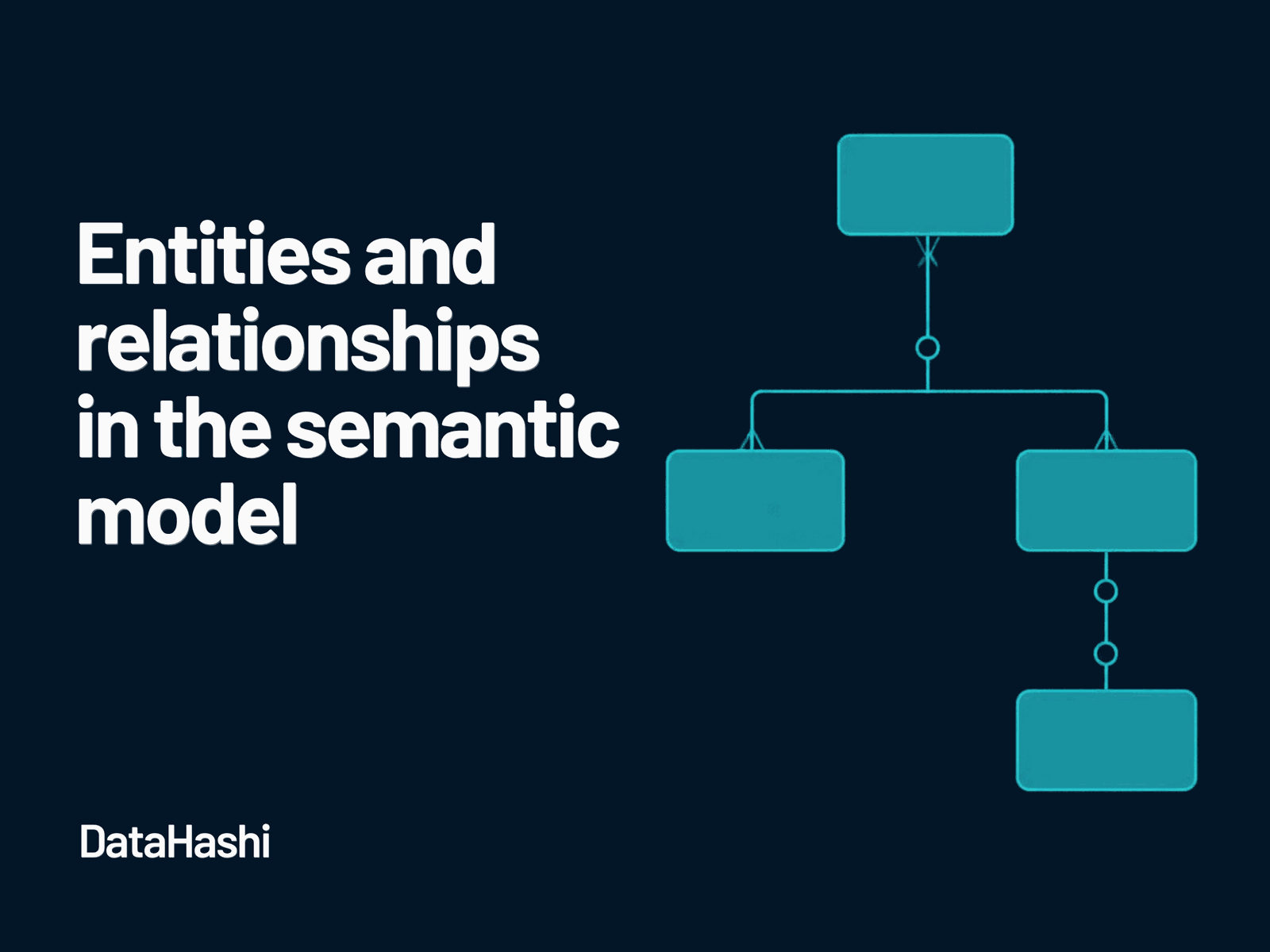 Modeling & metrics
Entities and relationships in the semantic model
Metrics sit on entities. Relationships tell the layer how to join without letting every consumer reinvent the graph.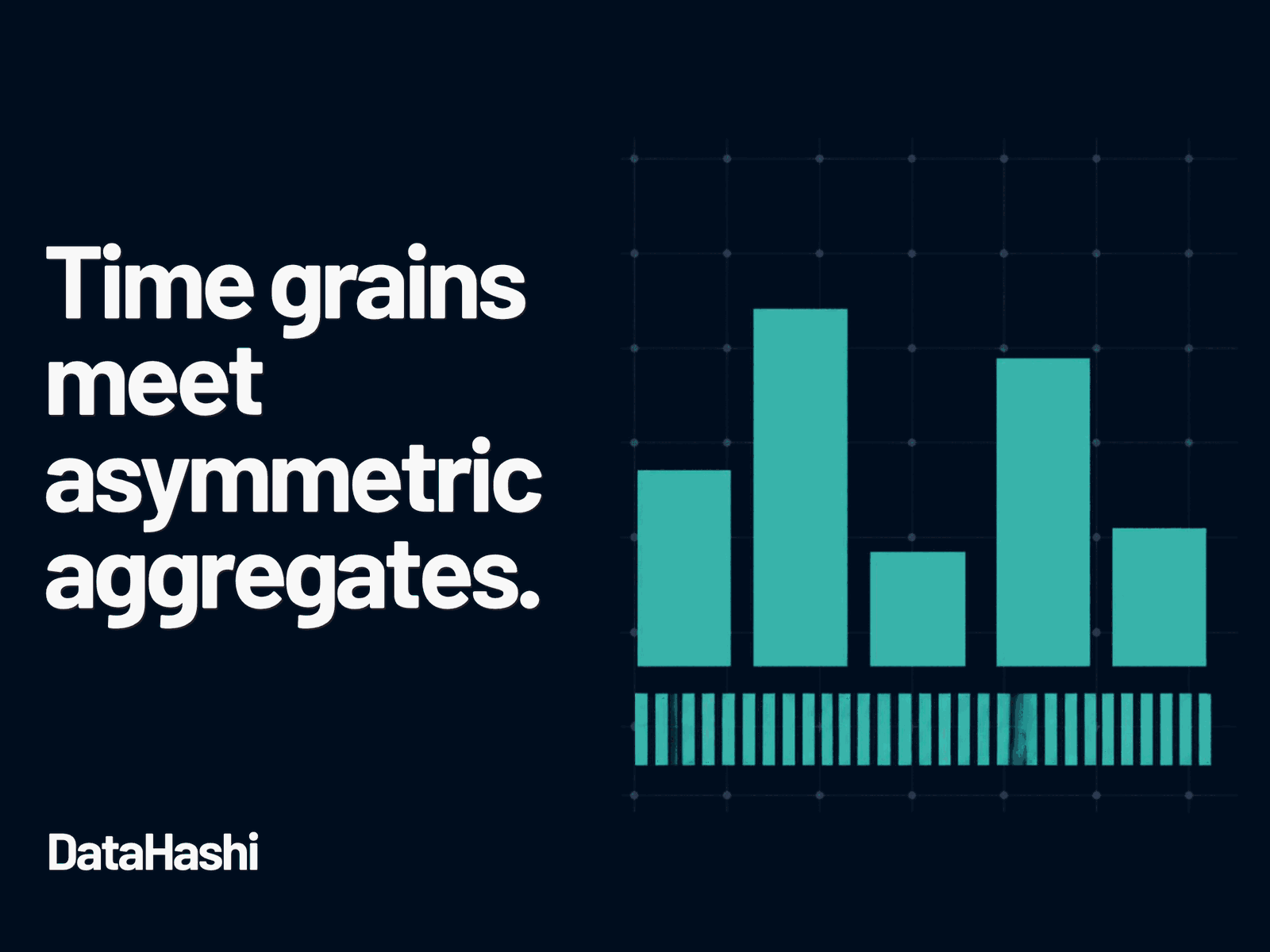 Modeling & metrics
Time grains and asymmetric aggregates
Time grain is part of the metric contract. Some aggregates roll cleanly across grains. Others do not, and agents need to know the difference.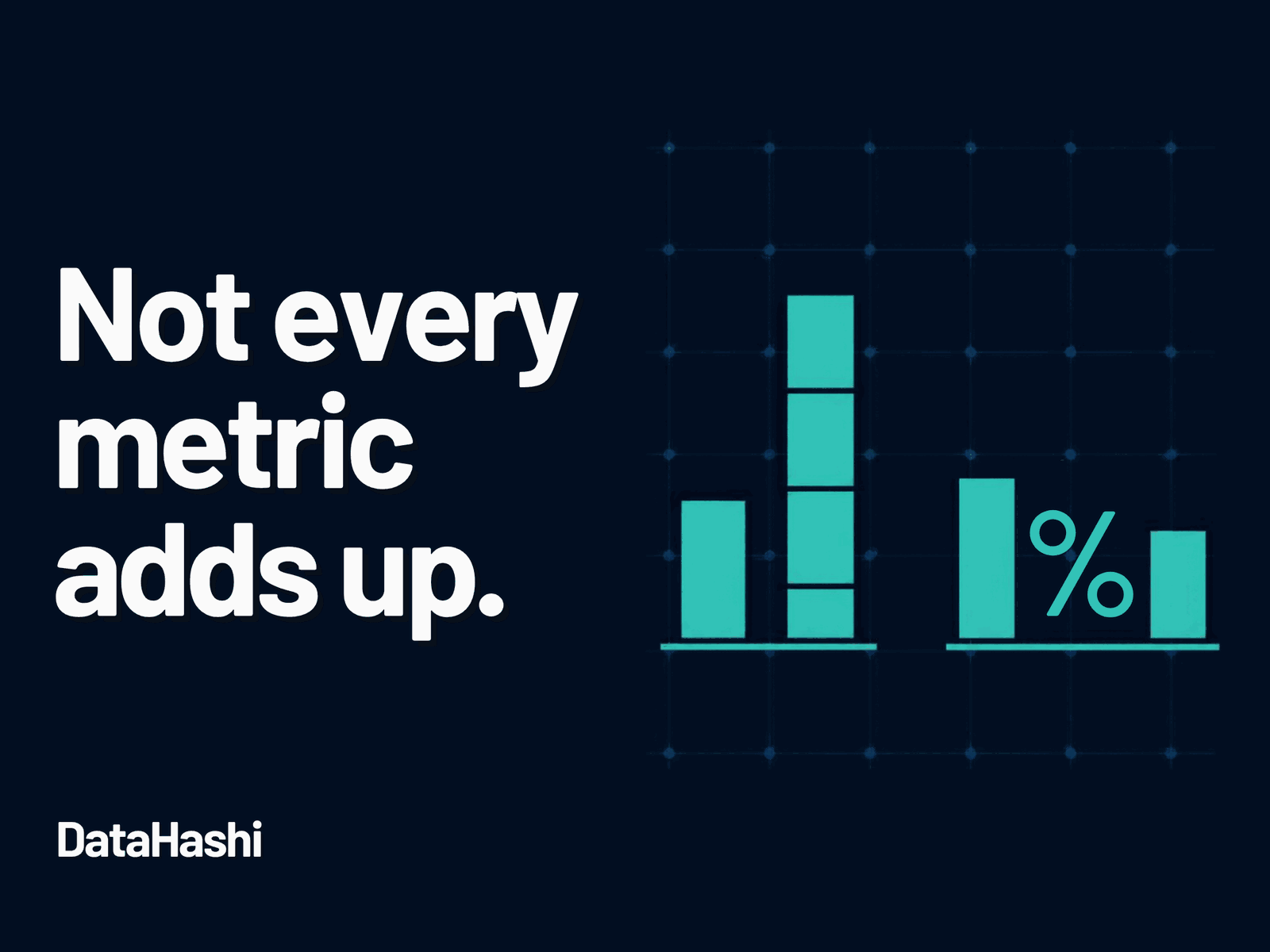 Modeling & metrics
Additive vs non-additive metrics
Why some metrics can be summed across dimensions and time, and why others must never be.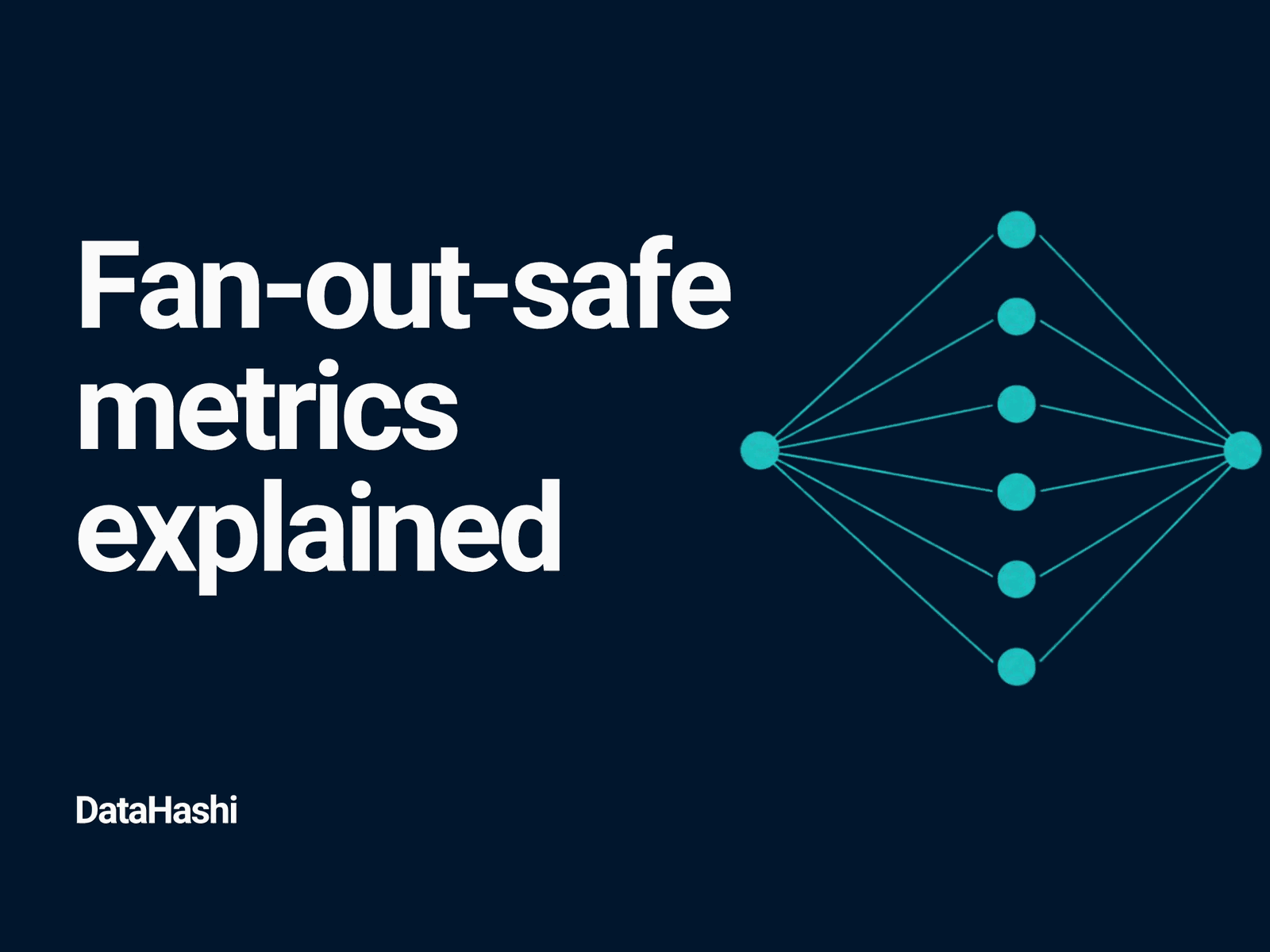 Modeling & metrics
Fan-out-safe metrics explained
What fan-out risk looks like in metric queries and how to keep aggregates correct. Modeling & metrics
Dimensions that do not explode joins
How to model dimensions so metric grain stays correct and joins do not multiply rows. Modeling & metrics
Your first metric: name it, do not hand-write SQL
Walk through defining a first certified metric by name and measure without pasting hand-written SQL into the agent path. Strategy & comparisons
Thin layer, thick warehouse: what not to copy
What belongs in your warehouse versus your semantic layer, and why copying logic into both creates drift. Governance & trust